

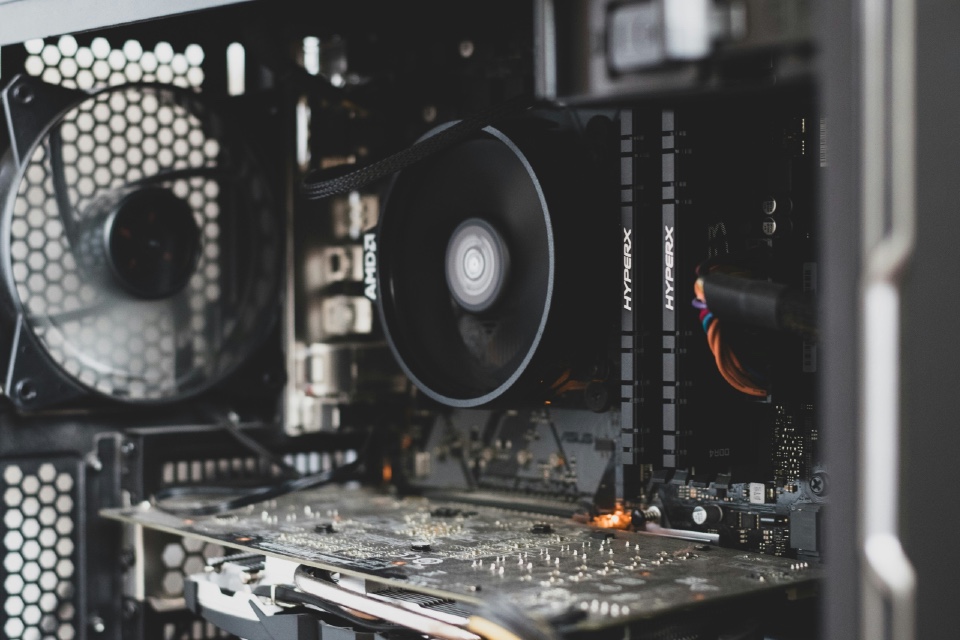
Rising memory costs are expected to significantly impact global device shipments in 2026, with new research forecasting declines in both the PC and smartphone markets as component price inflation pushes up device costs.
According to Gartner, worldwide PC shipments will fall by 10.4% in 2026, while smartphone shipments are projected to decline by 8.4% compared with 2025 levels. The downturn is being driven primarily by sharp increases in the cost of memory components, particularly DRAM and solid-state drives (SSDs).
The analyst firm predicts a 130% surge in combined DRAM and SSD prices by the end of 2026, which is expected to increase average PC prices by 17% and smartphone prices by 13% compared with 2025. As a result, organisations and consumers are likely to delay device upgrades and extend the lifespan of existing hardware.
“This is the steepest contraction in device shipments witnessed in over a decade,” said Ranjit Atwal, Senior Director Analyst at Gartner. “Higher prices will narrow the range of devices available, prompting buyers to hold on to devices for longer, fundamentally altering upgrade cycles.”
For IT leaders in both public and private sector organisations, longer device lifecycles could create new challenges around security, performance and device management.
Gartner estimates that the average PC lifespan will increase by 15% for business users and 20% for consumers by the end of 2026, potentially raising concerns about vulnerabilities associated with ageing hardware.
The report also highlights growing pressure on the lower end of the PC market. Memory costs are expected to account for 23% of the total PC bill of materials by 2026, up from 16% in 2025. Gartner believes this will make low-margin devices increasingly unsustainable, potentially leading to the disappearance of sub-$500 entry-level laptops by 2028.
Smartphone markets will face similar pressures, particularly in the entry-level segment. As device prices rise, Gartner expects many consumers to delay upgrades, switch to refurbished devices or exit the low-end smartphone market entirely. Premium smartphones, which typically have higher margins, are expected to be less affected.
Meanwhile, the higher cost of advanced hardware is also expected to slow the adoption of AI-enabled PCs, with Gartner predicting that the anticipated 50% market penetration for AI PCs will now be delayed until 2028.
Gartner advises vendors and channel partners to focus on protecting margins and optimising pricing strategies during the first half of 2026, before component cost inflation further reshapes the device market later in the year.